
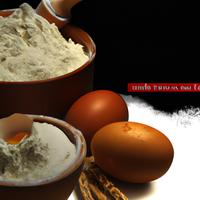
1 serving (30 grams) contains 100 calories, 3.0 grams of protein, 0.5 grams of fat, and 21.0 grams of carbohydrates.

Log this food in SnapCalorie

Nutrition Information
Calories |
400 | ||
|---|---|---|---|
% Daily Value* |
|||
| Total Fat | 2 g | 2% | |
| Saturated Fat | 0 g | 0% | |
| Polyunsaturated Fat | 0 g | ||
| Cholesterol | 0 mg | 0% | |
| Sodium | 0 mg | 0% | |
| Total Carbohydrates | 84 g | 30% | |
| Dietary Fiber | 12 g | 42% | |
| Sugars | 0 g | ||
| protein | 12 g | 24% | |
| Vitamin D | 0 mcg | 0% | |
| Calcium | 40 mg | 3% | |
| Iron | 4 mg | 22% | |
| Potassium | 400 mg | 8% | |
* Percent Daily Values are based on a 2,000 calorie diet. Your daily values may be higher or lower depending on your calorie needs.
Food Attributes
Source of Calories
About Whole wheat pastry flour or white whole wheat flour
Whole wheat pastry flour and white whole wheat flour are both milled from whole grains, meaning they retain the bran, germ, and endosperm of the wheat kernel. Originating from traditional milling practices, these flours are often used in baking lighter, softer goods like pastries while preserving higher nutritional content than refined white flour. Whole wheat pastry flour is milled from soft wheat, yielding a fine texture and low protein content, ideal for tender baked goods. White whole wheat flour comes from hard white wheat, offering a lighter color and flavor but similar nutritional benefits. Both flours are excellent sources of dietary fiber, complex carbohydrates, and essential vitamins and minerals, such as B vitamins, iron, and magnesium, making them nutritious options for baking, compared to their refined counterparts.
Health Benefits
- High in dietary fiber (12–15% per 100g), which aids in digestion and promotes heart health.
- Rich in B vitamins like niacin and thiamine, supporting energy metabolism and nervous system health.
- Contains iron (3.6mg per 100g), essential for oxygen transport in the body.
- Good source of magnesium (120mg per 100g), which supports muscle and nerve function.
- Low glycemic index when compared to refined flours, helping regulate blood sugar levels.
Dietary Considerations
Selection and Storage
Store in an airtight container in a cool, dry place, such as a pantry, for up to 6 months. For longer storage, refrigerate or freeze to prevent rancidity due to the germ's natural oils.
Common Questions About Whole wheat pastry flour or white whole wheat flour Nutrition
Is whole wheat pastry flour or white whole wheat flour high in protein?
Both whole wheat pastry flour and white whole wheat flour contain moderate amounts of protein. On average, they provide about 3-4 grams of protein per 1/4 cup (30g) serving. While not as high in protein as some other flours like almond or chickpea flour, they still contribute to daily protein needs.
Can I eat whole wheat pastry flour or white whole wheat flour on a keto diet?
No, whole wheat pastry flour and white whole wheat flour are not suitable for a keto diet. Both are relatively high in carbohydrates, with approximately 20-22 grams of carbs per 1/4 cup (30g) serving. They are better suited for diets that allow moderate to higher carbohydrate intake.
What are the health benefits of whole wheat pastry flour or white whole wheat flour?
Whole wheat pastry flour and white whole wheat flour offer more fiber, vitamins, and minerals compared to refined white flour. They provide about 2-3 grams of dietary fiber per serving, which supports digestive health and can help with blood sugar stabilization. Additionally, they contain B vitamins, iron, and magnesium, contributing to overall nutrient intake.
How much whole wheat pastry flour or white whole wheat flour should I use in recipes?
For most recipes, whole wheat pastry flour or white whole wheat flour can replace all-purpose flour in a 1:1 ratio. However, if you are concerned about dense textures, consider substituting only 50-75% with these flours and blending with all-purpose flour. A standard serving size is about 1/4 cup (30g) for evaluating nutritional values.
What is the difference between whole wheat pastry flour and white whole wheat flour?
The key difference is the type of wheat used. Whole wheat pastry flour is made from soft white wheat, which gives it a finer texture and makes it ideal for delicate baked goods like pastries and cookies. White whole wheat flour is milled from hard white wheat, offering a milder flavor and slightly sturdier texture suitable for bread and denser recipes. Both are whole grain and nutritionally comparable.