
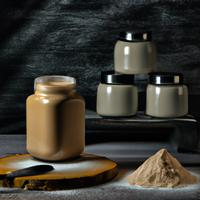
1 serving (30 grams) contains 120 calories, 25.0 grams of protein, 2.0 grams of fat, and 3.0 grams of carbohydrates.

Log this food in SnapCalorie

Nutrition Information
Calories |
960 | ||
|---|---|---|---|
% Daily Value* |
|||
| Total Fat | 16.0 g | 20% | |
| Saturated Fat | 8.0 g | 40% | |
| Polyunsaturated Fat | 0 g | ||
| Cholesterol | 80.0 mg | 26% | |
| Sodium | 1600.0 mg | 69% | |
| Total Carbohydrates | 24 g | 8% | |
| Dietary Fiber | 8.0 g | 28% | |
| Sugars | 8.0 g | ||
| protein | 200.0 g | 400% | |
| Vitamin D | 0 mcg | 0% | |
| Calcium | 800.0 mg | 61% | |
| Iron | 8.0 mg | 44% | |
| Potassium | 1200 mg | 25% | |
* Percent Daily Values are based on a 2,000 calorie diet. Your daily values may be higher or lower depending on your calorie needs.
Food Attributes
Source of Calories
About Salted caramel protein powder
Salted caramel protein powder is a flavored dietary supplement designed to support muscle repair and overall health. Typically based on whey, casein, soy, or plant proteins like pea or rice, this powder is a popular choice in Western diets, especially among athletes and fitness enthusiasts. Its sweet-salty flavor profile mimics caramel with a hint of salt, making it an appealing option for shakes, smoothies, or as an ingredient in baked goods. Nutritionally, a serving often provides 15-30 grams of protein with minimal fats and carbohydrates, depending on the brand and formulation. Some versions may also include added vitamins, minerals, or digestive enzymes.
Health Benefits
- Supports muscle repair and growth due to its high protein content (15-30 grams per serving).
- May help with weight management by promoting satiety, especially in high-protein, low-carb formulations.
- Contributes to bone health if fortified with calcium or vitamin D, common in many protein powders.
- Provides essential amino acids such as leucine which supports muscle protein synthesis.
- Can aid in post-workout recovery by replenishing protein stores and reducing muscle soreness.
Dietary Considerations
Selection and Storage
Store in a cool, dry place with the lid tightly sealed to prevent clumping or contamination. Avoid exposure to moisture or direct sunlight.
Common Questions About Salted caramel protein powder Nutrition
Is salted caramel protein powder high in protein?
Yes, salted caramel protein powder is typically high in protein, providing around 20-25 grams of protein per serving (usually one scoop or 30-35 grams). This makes it an excellent option for muscle recovery and meeting daily protein intake goals.
Can I eat salted caramel protein powder on a keto diet?
Salted caramel protein powder can be compatible with a keto diet if it contains minimal carbs, typically under 2-5 grams per serving, depending on the brand. Look for powders sweetened with keto-friendly options like stevia or monk fruit instead of sugar.
Are there any health benefits or concerns with salted caramel protein powder?
Salted caramel protein powder can support muscle recovery, help with satiety, and assist in meeting dietary protein needs. However, some brands may contain artificial sweeteners or additives, which could be a concern for individuals with sensitivities. Always check the label for ingredients and choose clean, high-quality powders.
What’s the recommended serving size for salted caramel protein powder?
The standard serving size for salted caramel protein powder is typically one scoop, which equals about 30-35 grams. This can be mixed with water, milk, or a milk alternative. It’s important to follow the package guidelines and adjust depending on your individual protein needs.
How does salted caramel protein powder compare to chocolate protein powder?
Salted caramel protein powder generally offers a sweeter, richer flavor compared to chocolate protein powder, which is more cocoa-based. Nutritional profiles are often similar, with both providing about 20-25 grams of protein per serving, though the choice largely depends on individual taste preferences.