
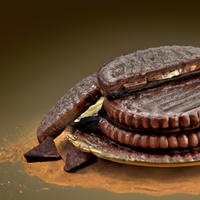
1 serving (15 grams) contains 71 calories, 1.0 grams of protein, 3.3 grams of fat, and 9.3 grams of carbohydrates.

Log this food in SnapCalorie

Nutrition Information
Calories |
1127.0 | ||
|---|---|---|---|
% Daily Value* |
|||
| Total Fat | 52.4 g | 67% | |
| Saturated Fat | 28.6 g | 143% | |
| Polyunsaturated Fat | 0 g | ||
| Cholesterol | 0 mg | 0% | |
| Sodium | 793.7 mg | 34% | |
| Total Carbohydrates | 147.6 g | 53% | |
| Dietary Fiber | 7.9 g | 28% | |
| Sugars | 65.1 g | ||
| protein | 15.9 g | 31% | |
| Vitamin D | 0 mcg | 0% | |
| Calcium | 95.2 mg | 7% | |
| Iron | 4.8 mg | 26% | |
| Potassium | 476.2 mg | 10% | |
* Percent Daily Values are based on a 2,000 calorie diet. Your daily values may be higher or lower depending on your calorie needs.
Food Attributes
Source of Calories
About Dark chocolate digestive biscuit
Dark chocolate digestive biscuits are a popular snack originating in the United Kingdom. First developed in the 19th century, they combine wholemeal flour with a layer of dark chocolate for a satisfying balance of sweetness and crunch. They are an indulgent option providing carbohydrates for energy and some dietary fiber from wholemeal flour. While the dark chocolate contributes small amounts of antioxidants, such as flavonoids, the sugar and fat content should be moderated. Typically, a 30g serving contains around 150-170 calories, 6-8g of fat, 2g of protein, and 1g of fiber, making this snack a treat rather than a primary source of nutrients.
Health Benefits
- Dark chocolate is rich in flavonoids, which may support heart health by improving blood flow and reducing inflammation.
- Wholemeal flour provides dietary fiber, promoting better digestion and gut health.
- Small amounts of iron are present in dark chocolate, contributing to daily energy and oxygen transportation.
Dietary Considerations
Selection and Storage
Store in a cool, dry place to prevent the chocolate coating from melting. Keep biscuits in an airtight container to maintain freshness.
Common Questions About Dark chocolate digestive biscuit Nutrition
What is the nutritional content of a dark chocolate digestive biscuit?
A typical dark chocolate digestive biscuit contains around 80-100 calories, 1-2 grams of protein, 4-5 grams of fat, and 10-12 grams of carbohydrates per biscuit. It is also a source of sugar and tends to be low in fiber, vitamins, or minerals.
Can I eat dark chocolate digestive biscuits on a keto diet?
Dark chocolate digestive biscuits are generally not suitable for a keto diet due to their high carbohydrate content, with approximately 10-12 grams of carbs per biscuit. Keto diets typically require foods with very low net carbs, making these biscuits incompatible.
Are dark chocolate digestive biscuits healthy?
Dark chocolate digestive biscuits can be enjoyed in moderation but should not be considered a health food. They contain added sugars and refined carbs, which can contribute to weight gain if consumed in excess. However, the dark chocolate may offer some antioxidants, albeit in small quantities.
How many dark chocolate digestive biscuits should I eat in one serving?
A serving size is generally considered to be 1-2 biscuits, depending on your dietary goals. Eating in moderation is recommended given their caloric and sugar content, making 1 biscuit an ideal portion for a snack or dessert.
How does a dark chocolate digestive biscuit compare to a milk chocolate digestive biscuit?
Dark chocolate digestives tend to have slightly less sugar and more cocoa content than milk chocolate versions, offering a richer flavor and potentially more antioxidants. However, both are similar in calories and should be consumed in moderation as treats rather than health-conscious choices.